Deep tissue massage is more than just a relaxing experience. It’s a powerful therapy designed to relieve deep muscle pain and tension.
In this blog, we’ll explore how Deep tissue massage pain removal therapy in Cambridgeshire, Norfolk, and Suffolk works and why it’s effective for pain relief.
By understanding the science behind the techniques, you’ll see how targeted pressure can break down knots, improve circulation, and promote healing. Whether you struggle with chronic pain or muscle stiffness, this therapy offers natural relief by addressing the root causes. So, what are you waiting for? Let’s read to uncover the science behind this therapeutic treatment and how it can help you feel better.
What is Deep Tissue Massage ?
Deep tissue massage is a massage technique that focuses on the deeper layers of muscles and their connective tissue. Although the modern deep tissue massage techniques have been refined over the years, the concept of manipulating deeper layers goes back to ancient healing practices.
The structured version of this therapeutic treatment has evolved in the 19th and 20th centuries as a part of physiotherapy and sports medicine. This massage treatment became popular due to its effectiveness in injury recovery and chronic pain relief.
Here are some of the key features of this therapy :
➽ Focus :
Deep muscle layers, tendons, ligaments, and fascia
➽ Tools :
Fingers, thumbs, knuckles, and sometimes the elbow
➽ Techniques :
Slow, deliberate strokes, deep pressure, friction, and targeted pressure on the problematic areas.
Deep tissue massage is not about applying a forceful amount of pressure. Rather, it is all about targeting the problematic area with skills and precision.
This is why this message is perfectly effective for :
✔️ Chronic back, neck, and shoulder pain
✔️ Muscle stiffness or tightness
✔️ Recovery after injury or workouts
✔️ Improving mobility and posture
Why is Deep Tissue Massage Considered as Pain Removal Therapy ?
Deep tissue massage is considered a pain removal therapy because it targets the deeper layers of muscle and connective tissue, breaking down adhesions, knots, and scar tissue that cause chronic pain and tension.
The sustained pressure applied during the massage improves blood flow, delivering oxygen and nutrients to muscles while flushing out waste products that contribute to pain and inflammation.
This process also stimulates the nervous system, reducing pain signals and triggering the release of endorphins, which are the body’s natural painkillers.
By relaxing tight muscles and correcting structural imbalances, deep tissue massage interrupts chronic pain cycles and helps restore normal movement patterns, making it an effective therapy for long-term pain relief.
Exploring the Techniques Used for Pain Removal in Deep Tissue Massage :-
✒️ Effleurage :
Effleurage involves long, gliding strokes that warm up the muscles and prepare them for deeper work, improving circulation and relaxation.
✒️ Tapotement :
Tapotement consists of rhythmic tapping or cupping to stimulate nerves and loosen tight muscles.
✒️ Vibration :
Vibration uses rapid shaking or trembling movements to relax muscles and reduce tension.
✒️ Cross-fibre friction :
Cross-fibre friction targets specific areas with deep, transverse strokes to break down adhesions and realign tissue fibres.
✒️ Trigger point therapy :
Trigger point therapy applies focused pressure to specific points to relieve referred pain and muscle knots.
✒️ Petrissage :
Petrissage uses kneading, squeezing, and rolling motions to release muscle tension and increase blood flow.
✒️ Friction :
Friction applies deep, focused pressure in circular motions to break down scar tissue and adhesions.
✒️ Active release technique :
The Active release technique combines movement with pressure to release tight muscles and improve flexibility.
✒️ Myofascial massage :
Myofascial massage uses gentle, sustained pressure to release restrictions in the fascia, the connective tissue surrounding muscles.
What to Expect During a Deep Tissue Massage Session ?
If you are wondering what happens in a deep tissue massage session, then here are some of the key stages so you can stay prepared while booking for a massage session –
✔️ Discussion :
Before the treatment, make sure to discuss with the therapist what you hope to achieve through this treatment. This would help the therapist tailor the treatment as per your needs and preferences.
✔️ Muscle preparation :
The therapist would likely start by warming up your muscles by applying oil and light pressure to the targeted areas on the body.
✔️ Relax :
Knowing that deep tissue massage might cause some pain, it can make you feel nervous about the entire situation. However, try to relax as the temporary soreness that comes during this therapy is working to alleviate the discomfort in the body.
✔️ Hydration :
During this massage, both the circulation of blood and the lymphatic system are stimulated. This aids in bringing important nutrients and oxygen to the muscles while clearing out the toxins from the body.
✔️ Ice :
Try to apply some ice to the targeted areas in which you have received the deepest pressure from the therapist. This would help reduce any kind of swelling or discomfort caused by the massage.
Essential Aftercare Tips to Sustain the Impact of Deep Tissue Massage :-
✏️ Stay well-hydrated to help flush out toxins and support muscle recovery.
✏️ Get plenty of rest and relaxation to allow your body time to heal and maximise benefits.
✏️ Avoid strenuous activities for at least 24 hours after your massage.
✏️ Maintain regular self-care practices like stretching, warm baths, and scheduling follow-up sessions.
✏️ Do gentle stretching and light movement to prevent muscles from tightening up.
✏️ Use a cold compress or warm bath to reduce soreness and inflammation.
✏️ Eat a healthy meal, especially foods rich in omega-3 fatty acids, to aid recovery.
⏰Conclusion
Understanding the science behind deep tissue massage reveals why it’s such an effective therapy for pain relief and muscle recovery. If you’re looking to experience these benefits firsthand, Happy Massage offers personalised deep tissue treatments along with Neck shoulders massage in Suffolk .
These treatments have been crafted by its dedicated owner and the skilled sole therapist, Mr Happy Harvinder Singh Suwali, and are designed to help you unwind and heal.
With a focus on your individual needs, I combine expert techniques with a welcoming atmosphere to ensure you leave feeling renewed and pain-free. Discover the difference that thoughtful, expert care can make in both your body and mind !


 When it comes to energizing your body and mind massage has been always an effective method. From ancient times, massages have provided holistic health benefits for the people who regularly take them. Sometimes, our body feels stiffness in the back and shoulders.
 Understanding Massage Especially Neck and Shoulder Massage :-
 A Neck shoulder massage is not just a luxury ; it is a necessity for maintaining wellness and balance in our lives. This type of massage targets the areas most affected by the strain of daily activities, providing relief and promoting health. The neck and shoulders are common areas where stress manifests.
  Whether it is from long hours at a desk, poor posture, or the weight of carrying heavy loads, these muscles can become tight and painful. The neck, in particular, is a delicate structure that supports the head and is susceptible to strain.
  5 Benefits of Neck Shoulders Massage :-
 The therapist massages the required areas using different massage techniques. Thus, the professional therapist reduces pain and promotes relaxation.
  [2] Improves Mobility :
 [3] Reduces Stress :
 [4] Enhances Circulation :
  Thus, improved blood flow aids in the healing process and muscle recovery.
 Techniques Used in Neck Shoulders Massage :-
 [2] Deep Tissue Massage :
 [3] Trigger Point Therapy :
 [4] Myofascial Release :
 What is Front and Back Massage ?
 This dual approach ensures a balanced treatment that rejuvenates the body, calms the mind and restores harmony. Whether you’re seeking relief from stress or discomfort, a Front and Back Massage provides a holistic solution for overall well-being.
 With a keen understanding of anatomy and a gentle touch, Happy provides a therapeutic experience that is both healing and rejuvenating.
 Using just one hand, he can deliver a massage that rivals even the most traditional two-handed approaches. His method is precise, intentional, and incredibly effective.
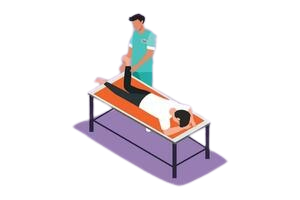 [2] Creating a Relaxing Environment :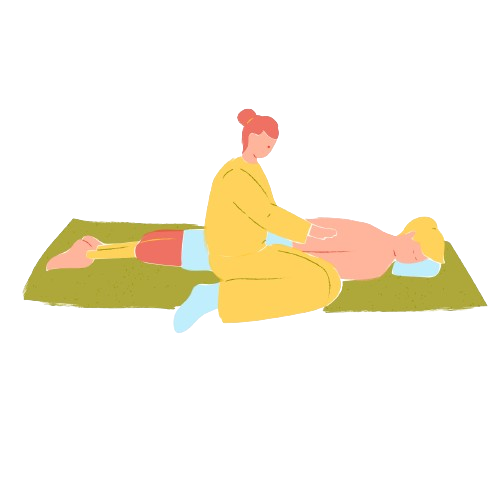
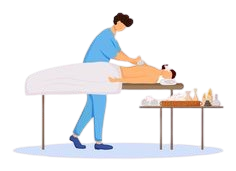 [3] Incorporating Holistic Practices :
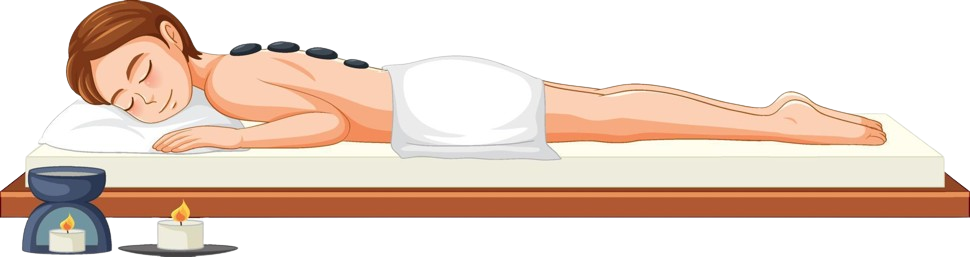 (b) Stretching : Gentle stretches maintain the benefits of the massage.

 The Happy Massage Experience :-


 In the hustle and bustle of modern life, stress has become a constant companion for many. It often manifests as a nagging tension in the neck and shoulders, a silent testament to the burdens we carry.
 Understanding the Tension Triangle
 [2] Petrissage (Kneading) :
 This can be intense but is effective for releasing deep-seated tension.
 [5] Myofascial Release :
 This helps to lengthen the muscles and increase flexibility, reducing the likelihood of future tension.








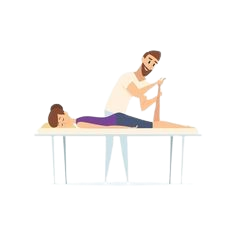 You will experience a calm relaxation after each stroke from the therapist.

 Massage therapy is an age-old practice that involves manipulating the body’s soft tissues to promote health and well-being. When it comes to neck and shoulder massages, the focus is on relieving tension in these specific areas, which are often the repositories of stress.
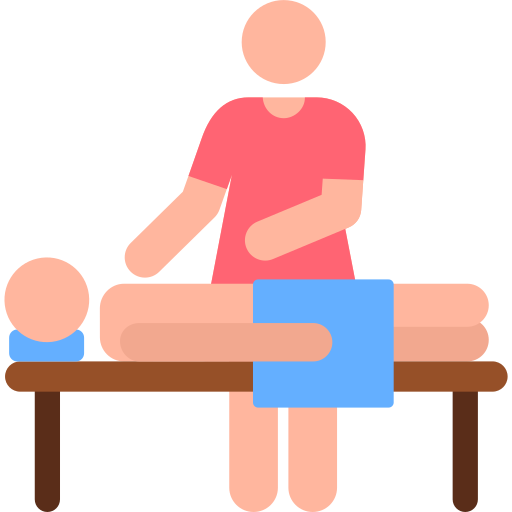 Neck and shoulder massages are a popular way to relieve tension and stress. They can be performed in various settings, from a professional massage centre to the comfort of your home.
 (a) Effleurage :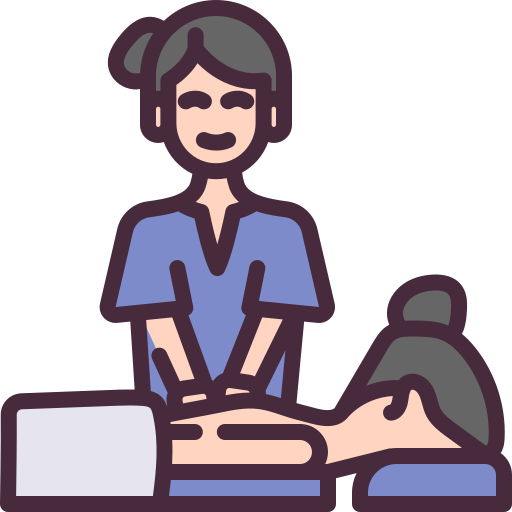


 (c) Skin Rolling :
  A form of Japanese bodywork, shiatsu involves rhythmic pressure along the body’s energy pathways, known as meridians. This ancient technique helps to promote energy flow and relaxation.
 (ε) Enhanced Circulation :
 (η) Improved Sleep Quality :
 Swedish massage is known for its gentle approach, making it ideal for relaxation and stress relief. Deep tissue massage, on the other hand, is more intense and can be more effective for chronic pain and tension.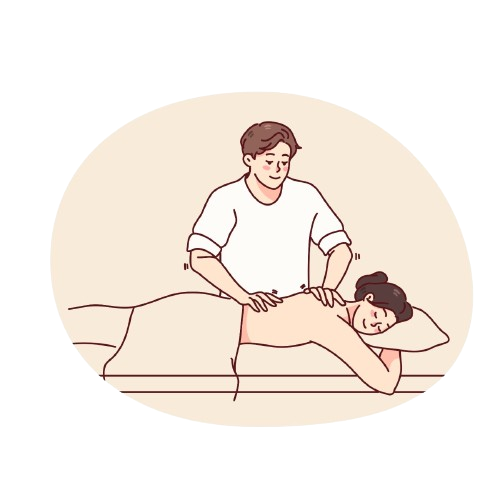



 [B] Deep Tissue Massage :

 (iii) Myofascial Release :