Why Hiring a Sports Massage Service Therapist is Your Next Big ROI Move
December 9, 2025 | Happy-ADmin | 0
The cold, hard truth of fitness is this: You do not get stronger when you train; you get stronger when you recover.
For years, we have been obsessed with the input: the volume, the intensity, the latest pre-workout shake. We meticulously track reps, sets, and calories. But if you are leaving your recovery strategy to chance, you are essentially driving a Ferrari with the handbrake on.
You could be losing up to 40% of your potential progress due to chronic, low-level inflammation, restricted range of motion, and delayed onset muscle soreness (DOMS).
If you want to unlock peak performance and slash injury risk, you need a dedicated Sports massage service therapist in Norfolk, Suffolk, and Cambridgeshire.
This is not about scented oils and relaxation music. This is about strategic, physiological maintenance, which is a non-negotiable hack that separates the amateurs from the pros.
Ready to see the data? Let’s dive deep.
[1] The Hidden Cost of “Toughing It Out” :-
Every gym bro, marathon runner, and weekend warrior lives by the mantra: No pain, no gain. While that mindset might push you through the last rep, it is a recipe for long-term disaster without a proper recovery protocol.
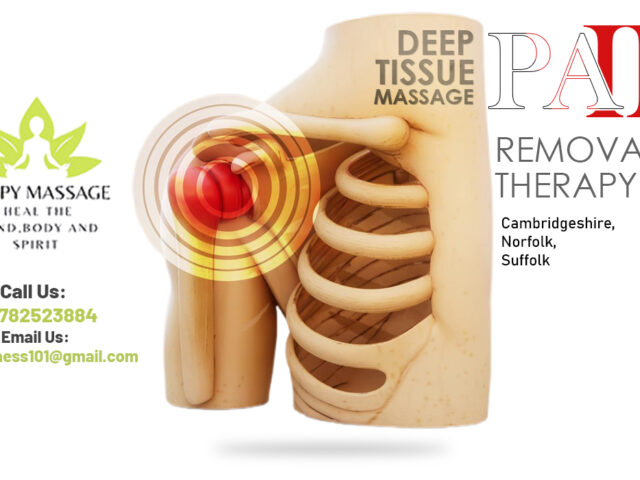
The primary enemy is myofascial restriction. When you train, tiny micro-tears occur in your muscle fibres. The body repairs these, but sometimes, the fascia (the connective tissue surrounding muscles) gets sticky, tight, and restricted. This creates knots, trigger points, and ultimately, an altered movement pattern.
☛ Here is the real danger : Your body is a master compensator. That tight hamstring? Your lower back steps in to help. That restricted shoulder? Your neck muscles take the slack. Before you know it, a minor training kink escalates into a major compensatory injury—all because you ignored the foundational issue.
☛ The stats are staggering : Studies show that athletes who integrate regular soft tissue treatment see their rate of musculoskeletal injury decrease by an average of 37% compared to control groups.
If injury is the enemy of consistency, then a sports massage service therapist is your preventative defence system.
[2] What a Professional Sports Massage Service Therapist Actually Does :-
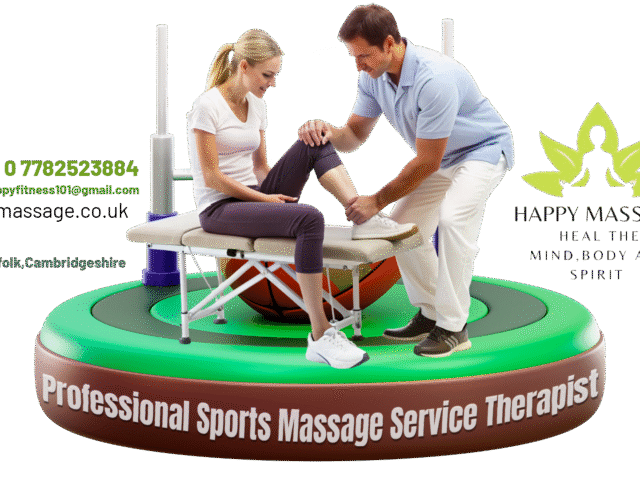
When we talk about a Professional sports massage service therapist, we are not talking about a generic spa session. We are talking about an expert with a deep understanding of anatomy, kinesiology, and the specific demands of different sports (or even the demands of sitting for 8 hours a day).
Their approach is clinical, targeted, and focused on measurable physiological outcomes.
✦ (1) Increases Circulation & Flushes Metabolites :
This is the cleanup crew for your muscles. Intense exercise floods your muscles with metabolic waste products, primarily lactic acid. This contributes heavily to DOMS.
A professional therapist uses techniques like effleurage and petrissage to mechanically encourage blood flow. More blood flow means more oxygen and nutrients in, and more waste products (like lactic acid) flushed out.
☛ The Actionable Insight : Faster removal of metabolites equals faster recovery time, allowing you to hit your next session with better muscle quality.
✦ (2) Restores Range of Motion (ROM) :
Flexibility metrics are key indicators of performance potential and injury risk. If your ROM is compromised, your lifts look sloppy, your stride is shorter, and your power output drops.
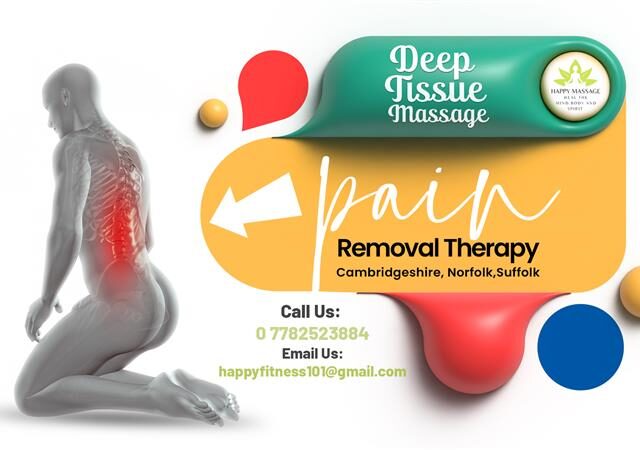
A Professional sports massage service therapist uses advanced techniques like Muscle Energy Technique (MET) or deep tissue stripping to lengthen tightened muscle fibres and break down cross-fibre adhesions.
☛ The Bottom Line : A simple 10-degree increase in hip flexor extension can translate directly into a stronger squat and a faster running stride. This is not just “feeling” a loser; it is a measurable performance advantage.
✦ (3) Modulates the Nervous System :
This is arguably the most undervalued benefit. When you are constantly under stress (work, life, and heavy training), your sympathetic nervous system (fight or flight) is hyperactive. This inhibits recovery.
While the deep, intense work targets muscle tissue, the rhythmic quality of the massage acts as a powerful switch, activating the parasympathetic nervous system (rest and digest).
☛ The Result : Lower cortisol levels, reduced perceived stress, and a body that finally switches into maximum repair mode. Sleep quality improves, and we all know that sleep is the ultimate performance-enhancing drug.
[3] Beyond the Injury | 3 Hidden ROI Benefits :-
You now know the essentials, but the true ROI of employing a Sports massage service therapist in Norfolk, Suffolk, and Cambridgeshire extends into areas you might not expect.
✦ (1) Biomechanical Self-Correction :
A professional therapist is essentially an external diagnostic tool. They can pinpoint problem areas you didn’t even know existed.
- Do you have one shoulder significantly tighter than the other?
- Is your lumbar region compensating for a chronically tight psoas muscle
They do not just fix the symptoms; they feed back crucial information that allows you to adjust your training form or sleeping posture. They make your training more efficient and safer long-term.
✦ (2) Enhanced Muscular Power Output :
Sounds counterintuitive, right? How does relaxing a muscle make it stronger?
When a muscle is chronically tight, it operates under tension and cannot fully contract or relax. By manually releasing that tension, the muscle can now operate through its full, uninhibited range.
Research suggests that post-treatment, muscle performance can see an immediate, temporary improvement in terms of vertical jump height and sprint speed. It can be a critical edge in competition.
✦ (3) The Consistency Multiplier :
Consistency beats intensity every single time. If you train hard for three weeks, get injured, and take two weeks off, you have lost ground.
By mitigating the small niggles and soreness, a professional therapist ensures you hit your scheduled training sessions more consistently and at a higher quality, month after month. The accumulated marginal gains lead to exponential progress over a year. That is the real ROI.
[4] Choosing Your Recovery Partner | 5 Non-Negotiable Questions :-
Are you ready to hire a Professional sports massage service therapist? You should not choose a professional based on price or proximity alone. You can ask these five questions to ensure you are getting clinical expertise, not just comfort:
✤ “What is your primary treatment philosophy? (e.g., Clinical Deep Tissue, Myofascial Release, etc).” Listen for an approach that is goal-oriented, not just general.
✤ “What experience do you have with [Your Sport/Activity]? (e.g., cycling, weightlifting, distance running)” They should understand the specific muscle groups and movement patterns relevant to you.
✤ “How do you assess a client before treatment?” A true professional will ask about your training schedule, pain levels (on a scale of 1-10), and movement goals.
✤ “What post-treatment advice or stretches will you give me?” The best therapists give you homework to maintain the benefits of the session.
✤ “Do you have advanced training in modalities like dry cupping, trigger point therapy, or taping?” This shows a commitment to a multi-faceted approach to complex issues.
| Conclusion |
If you are serious about your fitness goals, whether that is smashing a marathon time, hitting a new squat PR, or simply being pain-free after a long week, you must treat recovery as a performance variable.
Ignoring your body’s knots and compensations is an active choice to slow down your progress and invite injury.
If you are ready to experience the game-changing benefits of expert soft tissue therapy and are training in or around Norfolk, Cambridgeshire, or Suffolk, you can reach out to me at Happy Massage. I am a Professional sports massage service therapist in Norfolk, Cambridgeshire, Suffolk, at Happy Massage.
Call me now to book your next session.